As Malaysia’s love for sport reaches new heights, orthopaedic specialists are seeing a rising tide of injuries that could have been prevented.
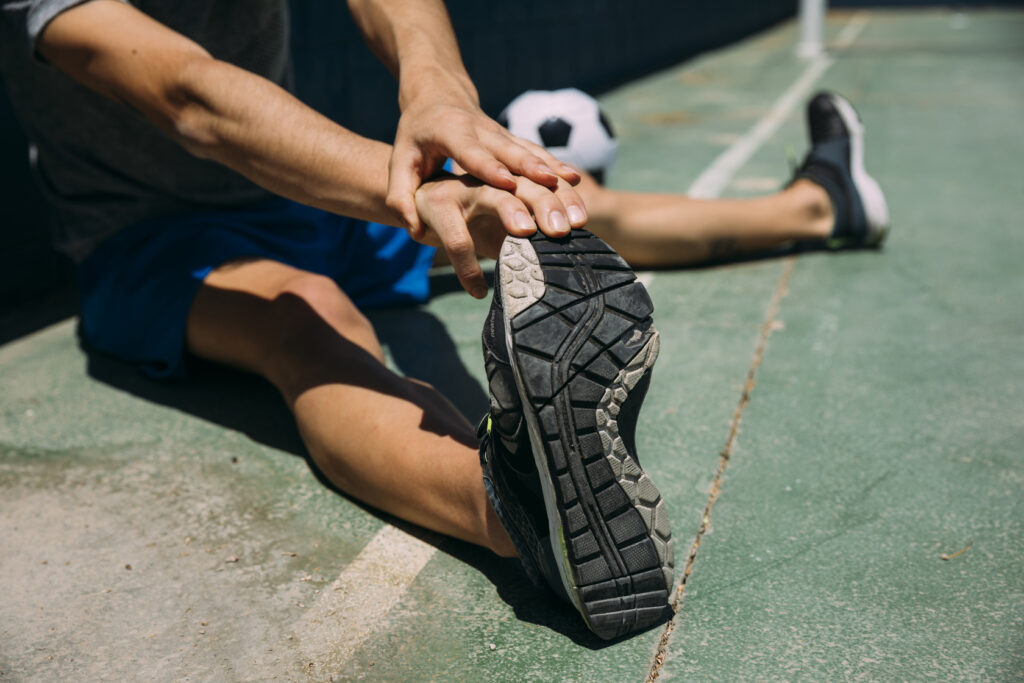
Petaling Jaya, 25 May 2026 – Malaysians don’t need much convincing to pick up a sport. Badminton halls around the country consistently fill up on weekday nights, and casual football and futsal games commonly fill weekend agendas.
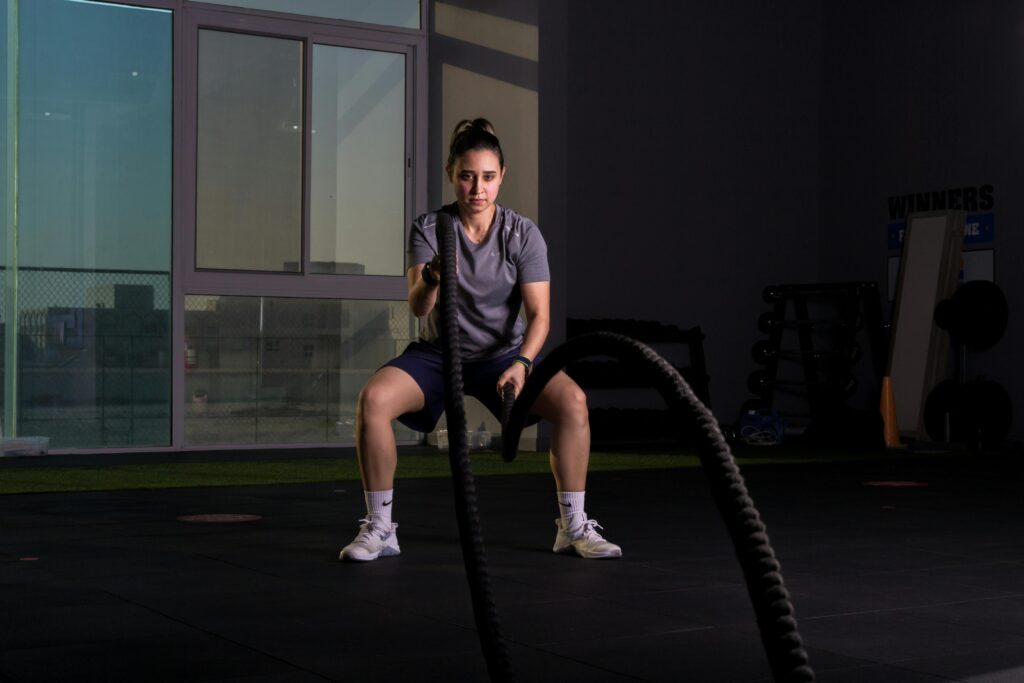
Adding to that, a new generation of sports is joining the mix – Pickleball courts are popping up everywhere, Padel has found a devoted following among working professionals, and high-intensity events like HYROX are drawing crowds of Malaysians ready to push their physicality to the limit. It is, by all accounts, an encouraging picture.
However, this has inadvertently led to a quieter and more concerning trend to emerge in clinics across the country: a rise in soft tissue and ligament injuries among recreational players and returning athletes who jumped in before their bodies were truly ready, and more often than not, these are injuries that come about after being ignored for far too long.
Consultant Orthopaedic Trauma, Sport & Robotic Surgeons at Sunway Medical Centre Damansara (SMCD), Dr. Gan Eng Cheng and Dr. Raymond Yeak Dieu Kiat, warn that what feels like routine soreness or a minor setback may point to a more serious underlying soft tissue or ligament injury. Early assessment, they emphasise, can mean the difference between a straightforward recovery and a condition that sidelines a patient for months – or something that requires surgical intervention altogether.
‘Low Impact’ Doesn’t Always Equal ‘Low Risk’
Part of what makes today’s trending sports so appealing is how ‘beginner-friendly’ they seem. Though, what many players don’t account for is the biomechanical reality of these sports. For example, Pickleball and Padel demand repeated lateral movements and quick directional changes that place sustained stress on the shoulders, elbows, and knees. HYROX, by design, combines cardiovascular endurance with functional strength movements that tax muscles, tendons, and connective tissue simultaneously.
Malaysians have long been familiar with sports-related soft tissue injuries, such as a hamstring pull during a futsal sprint, or an ankle rolled on a badminton court. These are familiar injuries precisely because they are common. What is changing now is the profile of who is getting injured and why. The surge in popularity of newer sports is drawing in players who are enthusiastic but under-prepared, those who may be progressing in frequency and intensity far faster than their bodies can adapt to.
Dr. Gan sees this play out differently depending on the patient. “In younger patients, the most common presentations are shoulder and elbow tendinitis, ankle sprains, knee ligament tears, and delayed onset muscle soreness (DOMS). In older patients, we more frequently see lower back and neck pain from pre-existing spondylosis, nerve impingement, and aggravation of underlying knee osteoarthritis. In the elderly, particularly those with osteoporosis, falls during activities can result in fractures.”
The profile of who is getting injured is shifting too. It is no longer just competitive athletes pushing too hard – it is enthusiastic beginners progressing in frequencies and intensities far faster than their bodies can adapt to. Dr. Gan points this to a combination of factors that consistently appear across cases: a competitive mindset, poor warm-up and cool-down habits, inadequate sleep, high stress, improper footwear, and a simple lack of prior experience in the sport.
Any one of these factors raises risk. Several of them together is when injuries tend to happen, particularly those ranging from simple soreness to gastrocnemius (commonly known as the calf) muscle tears, Achilles tendon tears, anterior cruciate ligament (ACL) tears as well as various shoulder and elbow injuries.
When “Walking It Off” Isn’t Enough
One of the biggest challenges with soft tissue injuries is how easily they are ignored. Unlike fractures, they rarely result in immediate pain or visible signs, and instead begin as mild discomfort or ache. Dr. Raymond says this is where most patients lose the window for early intervention, noting that non-weight-bearing joints are the ones that tend to be ignored the longest, primarily the shoulder.
“Many people assume shoulder discomfort is just tightness from sitting at a desk or a minor strain. Because the shoulder is the most mobile joint in the body, people often subconsciously adapt their movement to compensate for the pain – working around it rather than addressing it. This is one of the most common reasons rotator cuff issues go undiagnosed until the damage is already significant,” says Dr. Raymond.
Knowing the difference between soreness and injury matters. DOMS peaks 24 to 48 hours after exercise, feels dull and generalised, and tends to ease once you warm up. An injury, by contrast, is sharp and localised – felt during activity, worsening with movement, and almost always on just one side. As Dr. Raymond puts it: “If you can point to exactly where it hurts, that is already a signal worth taking seriously.”
Playing through that signal has consequences beyond the original injury. The brain shifts load away from the uncomfortable joint, quietly altering movement patterns and overburdening other areas. A neglected ankle can become a hip problem, or a small meniscal tear can progress to a full tear requiring surgery. According to Dr. Raymond, continuing to push through discomfort isn’t just a matter of pain tolerance but instead actively changes your biomechanics in ways that create entirely new problems. Runners and pickleball players tend to present the latest. Endurance athletes often treat pain as part of training, waiting until they can no longer continue before seeking help.
Meanwhile, pickleball players are lulled by the sport’s low-impact reputation into skipping warm-ups and conditioning altogether. “The injuries I see from pickleball range from muscle soreness and gastrocnemius tears to Achilles ruptures, ACL tears, and shoulder and elbow injuries. The perception of low risk is itself a risk factor.”
Play Smart, Not Just Hard
The conversation around sports injuries tends to centre on what went wrong. The more important conversation is what happens next – and how players approach their sport differently going forward. When injury does occur, treatment is never one-size-fits-all.
Most soft tissue and ligament injuries can be managed without surgery through rest and guided rehabilitation – but severity determines the path. “More serious injuries such as complete ligament tears or ongoing instability may require surgery, especially if the patient wants to return to sport safely. Every injury is different, and treatment should always be tailored to the individual,” says Dr. Gan.
Surgery, he notes, typically becomes a consideration when rehabilitation alone isn’t achieving progress after months of treatment – and the earlier an injury is assessed, the better the chances of avoiding that outcome entirely.
Recovery, however, is only half the equation. “Many recurring injuries happen because people return to sport too quickly once the pain improves, even though the body isn’t fully ready. Injury prevention should be part of your routine – not something you only think about after getting hurt,” says Dr. Raymond
For anyone playing three to four times a week, the fundamentals apply: warm-ups, strength training, rest days, and not brushing off persistent discomfort. As both doctors state, the biggest shift a player can make has nothing to do with technique or training volume but rather the willingness to listen to the body before it forces you to stop.
The Best Sport Is One You Can Keep Playing
With football excitement building ahead of the World Cup this June, more people are expected to return to the field — making injury prevention, proper conditioning, and early treatment more important than ever. Common football injuries such as ACL tears, ankle sprains, and muscle strains can often be reduced with the right preparation and recovery habits.
Malaysia’s love for sport is something great, and something worth protecting. The goal shouldn’t be just participation or performance, but long-term sustainability.
Persistent pain or discomfort after sport doesn’t have to be something you play through. Visit Sunway Medical Centre Damansara’s website to learn more about specialised orthopaedic and sports injury support.