Take small, mindful steps towards better health and wellbeing with your Garmin
Life’s wellness journey can be filled with ups and downs and taking care of both body and mind plays a vital role in feeling your best every day. While healthcare professionals and clinical care remain the core of recovery, technology can complement your efforts by helping you to stay mindful, track your progress and build healthier routines.
This is where Garmin wearables comes in to serve as a meaningful companion with its extensive health-monitoring metrics, offering insights into your health daily through these four metrics.
#1: Monitoring Quality Rest For Better Recovery
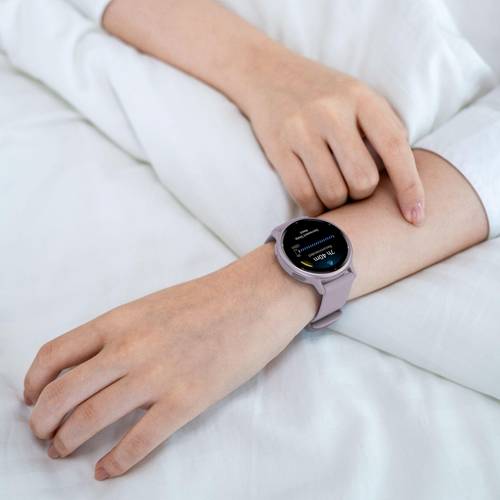
Sleep is one of the most crucial elements for recovery especially for those who are experiencing low immunity. Many individuals undergoing treatment may experience sleep difficulties that are caused by medications, fatigue from the treatments and anxiety. Though many may recommend 7-9 hours of sleep, those hours don’t always equate to restorative rest.
Garmin’s advanced sleep tracking allows users to get insight on their sleep patterns which provide better understanding of the sleep quality and how they can better improve their sleep during the light, deep and REM sleep stages. By monitoring the trends over time, users can identify in which stages they require improvements and how they can further improve areas which they lack. Garmin’s sleep tracking breaks down the hours of the sleep stages, offers insights on whether users are achieving optimal sleep stages and offers recommendations on how to improve the particular sleep stages allowing users to work toward restorative rest which is key in the body’s recovery and immune function.
#2: Tracking Step Counts to Encourage Gentle Activity

Incorporating light activity can have a positive impact not only on recovery but also one’s mental health when done with medical clearance and according to the body’s comfort level. Studies have shown that increasing daily steps by 1,000 have contributed to a lower rate of hospitalisation and support recovery1.
Simple, doctor-approved daily walks, be it indoor or outdoor, can help boost morale and clear one’s mind during times of stress or anxiety. Garmin’s daily step count supported by GPS and Move IQ feature can help users set realistic movement goals that encourage progress without overexertion.
To further enhance confidence and safety during these activities, Garmin’s safety features such as Incident Detection, LiveTrack, and Emergency Assistance offer reassurance to both users and their loved ones, helping them stay connected and supported wherever they go.
#3: Monitoring Oxygen Levels for Better Awareness

Monitoring oxygen levels is another important wellness metric, as both treatment and medication can affect the body’s oxygen saturation. Garmin’s Pulse Ox2 sensor can help track blood oxygen saturation (SpO₂) levels which is vital to managing fatigue and ensuring your body has sufficient oxygen to recover.
Blood oxygen level offers helpful insights into how the body is responding to a certain treatment or physical activities. While it isn’t a diagnostic tool, tracking these and being aware of these fluctuations can be especially useful and helps provide additional insights to users on how their body is responding and supports healthcare providers with the data trends.
#4: Monitoring for Heart Rate Variability (HRV) to Understand Recovery

Heart Rate Variability (HRV) measures the tiny difference in time between each heartbeat, unique to each individual, it is an indicator of one’s body ability in adapting to stress, fatigue or recovery. Generally, a higher HRV means that your body is well-rested while a lower HRV can suggest that more rest is needed or that one body is strained emotionally or physically.
Garmin HRV monitoring provides users a clear picture of how their body responds by monitoring sleep, stress, and physical activity. After the recommended continuous wear of 3 weeks, Garmin is able to set a baseline HRV that acts as an indicator to understand energy levels, signs of fatigue and allow users informed insights on how to improve their health daily.
While Garmin’s wearables are not medical devices and should not replace professional medical advice, they can offer valuable insights to help individuals stay informed and proactive about their wellbeing. For those interested in discovering how Garmin can be a supportive wellness companion on your recovery journey, can find out more here: garmin.com.my
1Gresham G, Hendifar A E, Spiegel B et al. Wearable activity monitors to assess performance status and predict clinical outcomes in advanced cancer patients. npj Digital Medicine 1, Article 27 (2018).
DOI:10.1038/s41746-018-0032-6
2This is not a medical device and is not intended for use in the diagnosis or monitoring of any medical condition; see Garmin.com/ataccuracy.